

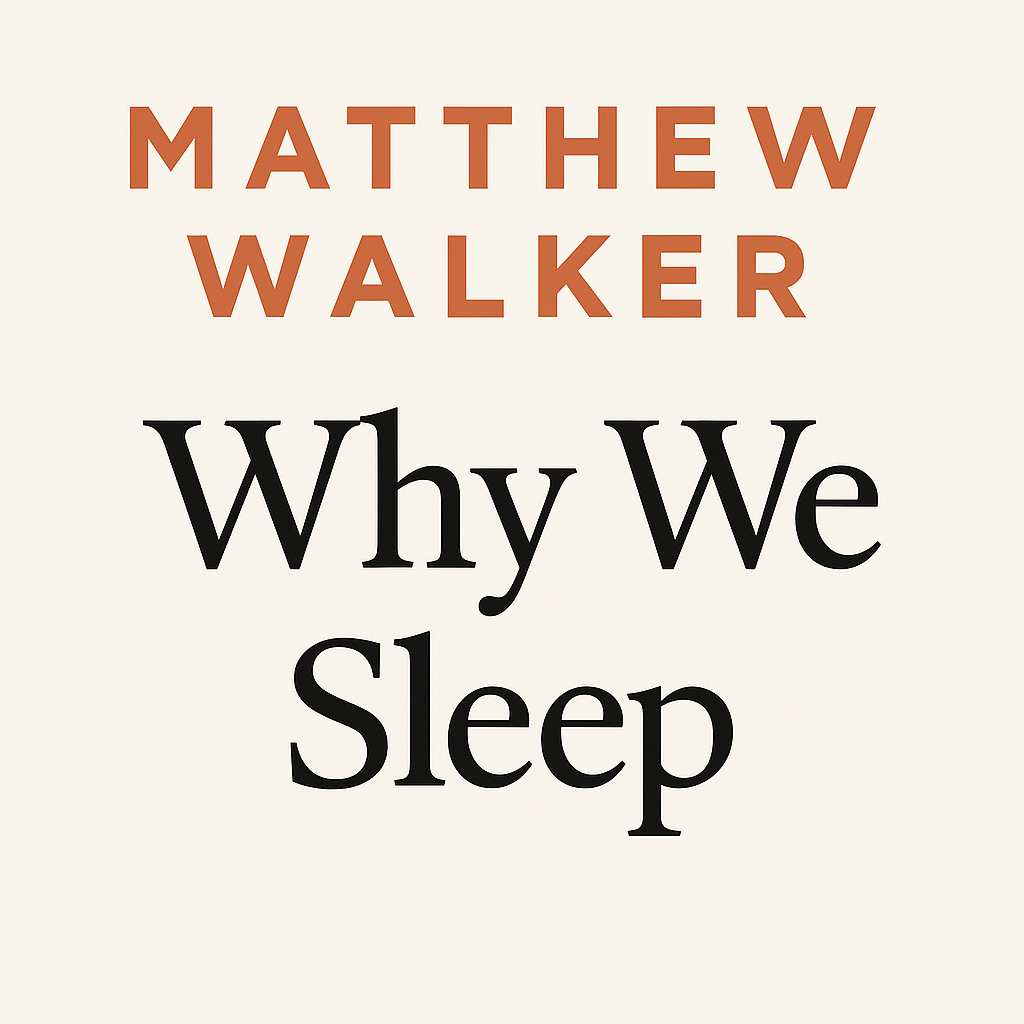
Book review • Matthew Walker • Non-fiction • Sleep science
Matthew Walker’s Why We Sleep is a science-first exploration of why sleep matters — for memory, mood, resilience, and longevity. This review summarises the book’s core arguments, highlights actionable advice, and helps you decide whether the book is worth your time.
Short Summary — What the Book Covers
Why We Sleep is a readable walk through decades of sleep research. Walker explains sleep stages (REM and deep sleep), the role of dreams, how sleep repairs the brain and body, and why modern lifestyles break natural sleep rhythms. The book also offers practical sleep hygiene tips grounded in science.
Why Sleep Matters More Than You Think
Walker makes a compelling claim: there is no single activity that affects your mental and physical health as positively as sleep. The book ties sleep to immune function, memory consolidation, emotional regulation, metabolic health, and long-term disease risk.
Key Lessons & Insights
- Sleep deprivation damages cognitive function. Even a single night of poor sleep impairs attention, learning, and decision-making.
- REM sleep helps emotional processing. Dreams are part of how the brain digests emotional experiences and regulates mood.
- Modern behaviour disrupts circadian rhythm. Screen light, caffeine timing, shift work, and irregular sleep windows all undermine natural sleep cycles.
- Quality and architecture matter. Total hours are important, but the balance of deep (slow-wave) sleep and REM cycles is what restores the brain.
Memorable Lines
“Sleep is the single most effective thing we can do to reset our brain and body health each day.”
“Humans are the only species that deliberately deprive themselves of sleep for no apparent gain.”
Pros & Cons — Quick Snapshot
Pros
- Well-researched and persuasive.
- Accessible writing — complex science explained clearly.
- Actionable sleep hygiene tips in the final chapters.
Cons
- A few statistics and claims have been debated by other researchers.
- Some chapters can feel alarmist to casual readers.
Who Should Read This Book?
Read Why We Sleep if you:
- Routinely cut sleep for work or study.
- Want to improve mood, learning, or physical health.
- Are curious about the neuroscience behind sleep and dreams.
Practical Takeaways — How to Sleep Better Tonight
- Keep a consistent sleep schedule. Go to bed and wake up at the same time daily, even on weekends.
- Limit screens before bed. Dim lights and avoid blue-light exposure for at least an hour before sleeping.
- Watch your caffeine window. Avoid caffeine at least 8–10 hours before bedtime if you’re sensitive.
- Create a sleep-friendly environment. Cool, dark, and quiet rooms improve deep sleep.
- Treat sleep as a priority, not a luxury. If you value cognitive performance and long-term health, protect your sleep like any essential habit.
Criticism & Scientific Debate
Some experts have questioned specific numbers Walker cites, and a few studies are more nuanced than the book’s presentation. However, these debates do not overturn the central message: many people get chronically insufficient sleep, and this has measurable harms.
Final Verdict
Why We Sleep is an essential read for anyone who wants to improve health, focus, and emotional stability. It blends solid science with practical advice and serves as a powerful reminder that sleep is foundational — not optional.
FAQs
- Is Why We Sleep scientifically accurate?
- Yes — largely. Some numbers have been debated, but the core science and recommendations are well-supported.
- Will this book help me sleep better?
- Yes. The final chapters provide actionable sleep hygiene advice that many readers find useful.
- How many hours of sleep does the book recommend?
- Walker recommends 7–9 hours for most adults, emphasising sleep quality and regularity.